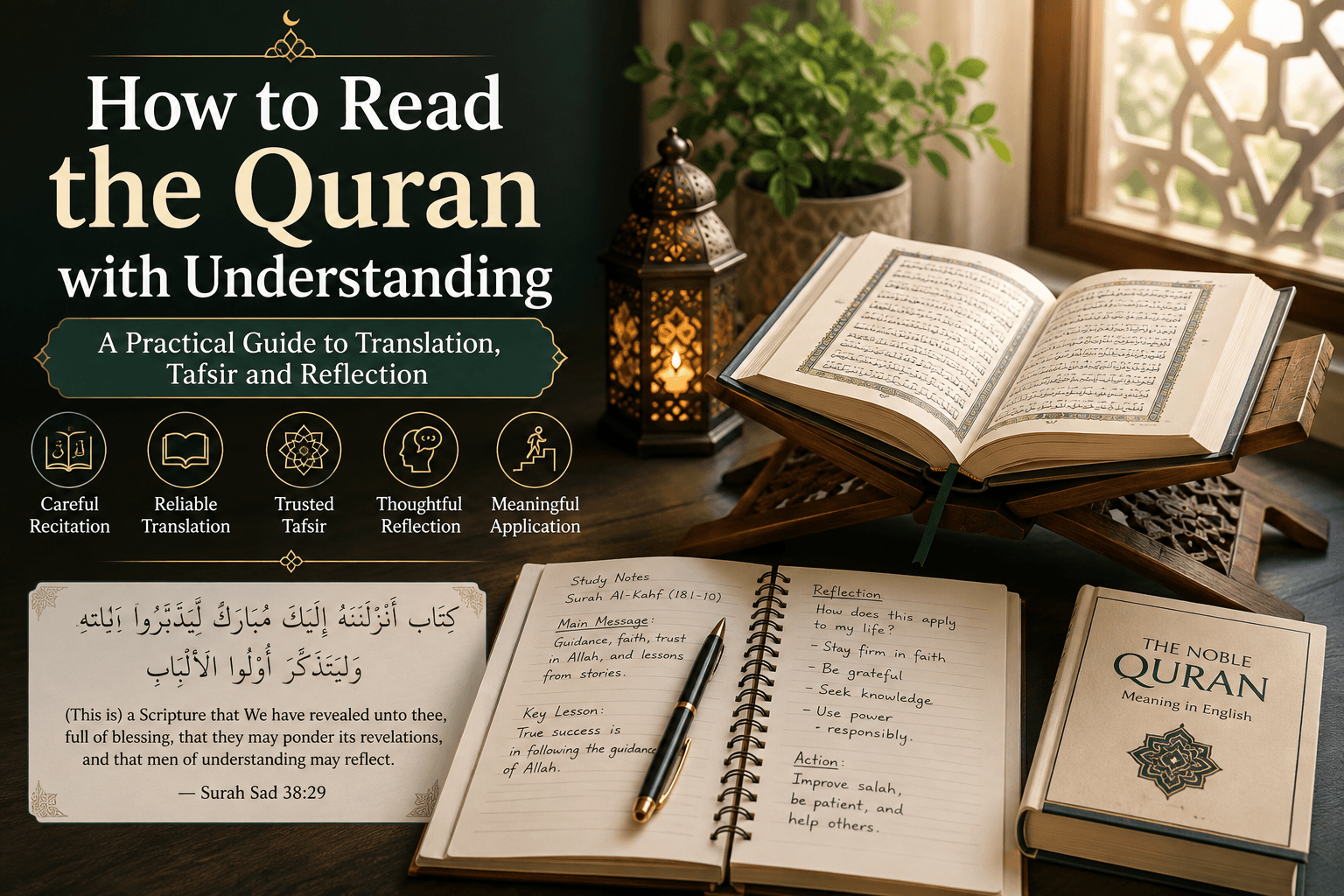
How to Read the Quran with Understanding
Learn how to read the Quran with understanding through careful recitation, reliable translations, trusted tafsir, thoughtful reflection, and practical application.
18 min readRead article
The Women • Madina • 176 ayahs
النِّسَاءِ
Recitation
Arabic Recitation
Translation language
Ayah by ayah mode selected.
Ayah 4:1
يَـٰٓأَيُّهَا ٱلنَّاسُ ٱتَّقُوا رَبَّكُمُ ٱلَّذِى خَلَقَكُم مِّن نَّفْسٍ وَٰحِدَةٍ وَخَلَقَ مِنْهَا زَوْجَهَا وَبَثَّ مِنْهُمَا رِجَالًا كَثِيرًا وَنِسَآءً ۚ وَٱتَّقُوا ٱللَّهَ ٱلَّذِى تَسَآءَلُونَ بِهِۦ وَٱلْأَرْحَامَ ۚ إِنَّ ٱللَّهَ كَانَ عَلَيْكُمْ رَقِيبًا١
O mankind, fear your Lord, who created you from one soul and created from it its mate and dispersed from both of them many men and women. And fear Allāh, through whom1 you ask one another,2 and the wombs.3 Indeed Allāh is ever,4 over you, an Observer.5
Ayah 4:2
وَءَاتُوا ٱلْيَتَـٰمَىٰٓ أَمْوَٰلَهُمْ ۖ وَلَا تَتَبَدَّلُوا ٱلْخَبِيثَ بِٱلطَّيِّبِ ۖ وَلَا تَأْكُلُوٓا أَمْوَٰلَهُمْ إِلَىٰٓ أَمْوَٰلِكُمْ ۚ إِنَّهُۥ كَانَ حُوبًا كَبِيرًا٢
And give to the orphans their properties and do not substitute the defective [of your own] for the good [of theirs]. And do not consume their properties into your own. Indeed, that is ever a great sin.
Ayah 4:3
وَإِنْ خِفْتُمْ أَلَّا تُقْسِطُوا فِى ٱلْيَتَـٰمَىٰ فَٱنكِحُوا مَا طَابَ لَكُم مِّنَ ٱلنِّسَآءِ مَثْنَىٰ وَثُلَـٰثَ وَرُبَـٰعَ ۖ فَإِنْ خِفْتُمْ أَلَّا تَعْدِلُوا فَوَٰحِدَةً أَوْ مَا مَلَكَتْ أَيْمَـٰنُكُمْ ۚ ذَٰلِكَ أَدْنَىٰٓ أَلَّا تَعُولُوا٣
And if you fear that you will not deal justly with the orphan girls, then marry those that please you of [other] women, two or three or four. But if you fear that you will not be just, then [marry only] one or those your right hands possess [i.e., slaves]. That is more suitable that you may not incline [to injustice].
Ayah 4:4
وَءَاتُوا ٱلنِّسَآءَ صَدُقَـٰتِهِنَّ نِحْلَةً ۚ فَإِن طِبْنَ لَكُمْ عَن شَىْءٍ مِّنْهُ نَفْسًا فَكُلُوهُ هَنِيٓـًٔا مَّرِيٓـًٔا٤
And give the women [upon marriage] their [bridal] gifts1 graciously. But if they give up willingly to you anything of it, then take it in satisfaction and ease.2
Ayah 4:5
وَلَا تُؤْتُوا ٱلسُّفَهَآءَ أَمْوَٰلَكُمُ ٱلَّتِى جَعَلَ ٱللَّهُ لَكُمْ قِيَـٰمًا وَٱرْزُقُوهُمْ فِيهَا وَٱكْسُوهُمْ وَقُولُوا لَهُمْ قَوْلًا مَّعْرُوفًا٥
And do not give the weak-minded your property,1 which Allāh has made a means of sustenance for you, but provide for them with it and clothe them and speak to them words of appropriate kindness.
Ayah 4:6
وَٱبْتَلُوا ٱلْيَتَـٰمَىٰ حَتَّىٰٓ إِذَا بَلَغُوا ٱلنِّكَاحَ فَإِنْ ءَانَسْتُم مِّنْهُمْ رُشْدًا فَٱدْفَعُوٓا إِلَيْهِمْ أَمْوَٰلَهُمْ ۖ وَلَا تَأْكُلُوهَآ إِسْرَافًا وَبِدَارًا أَن يَكْبَرُوا ۚ وَمَن كَانَ غَنِيًّا فَلْيَسْتَعْفِفْ ۖ وَمَن كَانَ فَقِيرًا فَلْيَأْكُلْ بِٱلْمَعْرُوفِ ۚ فَإِذَا دَفَعْتُمْ إِلَيْهِمْ أَمْوَٰلَهُمْ فَأَشْهِدُوا عَلَيْهِمْ ۚ وَكَفَىٰ بِٱللَّهِ حَسِيبًا٦
And test the orphans [in their abilities] until they reach marriageable age. Then if you perceive in them sound judgement, release their property to them. And do not consume it excessively and quickly, [anticipating] that they will grow up. And whoever, [when acting as guardian], is self-sufficient should refrain [from taking a fee]; and whoever is poor - let him take according to what is acceptable. Then when you release their property to them, bring witnesses upon them. And sufficient is Allāh as Accountant.
Ayah 4:7
لِّلرِّجَالِ نَصِيبٌ مِّمَّا تَرَكَ ٱلْوَٰلِدَانِ وَٱلْأَقْرَبُونَ وَلِلنِّسَآءِ نَصِيبٌ مِّمَّا تَرَكَ ٱلْوَٰلِدَانِ وَٱلْأَقْرَبُونَ مِمَّا قَلَّ مِنْهُ أَوْ كَثُرَ ۚ نَصِيبًا مَّفْرُوضًا٧
For men is a share of what the parents and close relatives leave, and for women is a share of what the parents and close relatives leave, be it little or much - an obligatory share.
Ayah 4:8
وَإِذَا حَضَرَ ٱلْقِسْمَةَ أُولُوا ٱلْقُرْبَىٰ وَٱلْيَتَـٰمَىٰ وَٱلْمَسَـٰكِينُ فَٱرْزُقُوهُم مِّنْهُ وَقُولُوا لَهُمْ قَوْلًا مَّعْرُوفًا٨
And when [other] relatives and orphans and the needy are present at the [time of] division, then provide for them [something] out of it [i.e., the estate] and speak to them words of appropriate kindness.
Ayah 4:9
وَلْيَخْشَ ٱلَّذِينَ لَوْ تَرَكُوا مِنْ خَلْفِهِمْ ذُرِّيَّةً ضِعَـٰفًا خَافُوا عَلَيْهِمْ فَلْيَتَّقُوا ٱللَّهَ وَلْيَقُولُوا قَوْلًا سَدِيدًا٩
And let those [executors and guardians] fear [injustice] as if they [themselves] had left weak offspring behind and feared for them. So let them fear Allāh and speak words of appropriate justice.
Ayah 4:10
إِنَّ ٱلَّذِينَ يَأْكُلُونَ أَمْوَٰلَ ٱلْيَتَـٰمَىٰ ظُلْمًا إِنَّمَا يَأْكُلُونَ فِى بُطُونِهِمْ نَارًا ۖ وَسَيَصْلَوْنَ سَعِيرًا١٠
Indeed, those who devour the property of orphans unjustly are only consuming into their bellies fire. And they will be burned in a Blaze [i.e., Hellfire].
Ayah 4:11
يُوصِيكُمُ ٱللَّهُ فِىٓ أَوْلَـٰدِكُمْ ۖ لِلذَّكَرِ مِثْلُ حَظِّ ٱلْأُنثَيَيْنِ ۚ فَإِن كُنَّ نِسَآءً فَوْقَ ٱثْنَتَيْنِ فَلَهُنَّ ثُلُثَا مَا تَرَكَ ۖ وَإِن كَانَتْ وَٰحِدَةً فَلَهَا ٱلنِّصْفُ ۚ وَلِأَبَوَيْهِ لِكُلِّ وَٰحِدٍ مِّنْهُمَا ٱلسُّدُسُ مِمَّا تَرَكَ إِن كَانَ لَهُۥ وَلَدٌ ۚ فَإِن لَّمْ يَكُن لَّهُۥ وَلَدٌ وَوَرِثَهُۥٓ أَبَوَاهُ فَلِأُمِّهِ ٱلثُّلُثُ ۚ فَإِن كَانَ لَهُۥٓ إِخْوَةٌ فَلِأُمِّهِ ٱلسُّدُسُ ۚ مِنۢ بَعْدِ وَصِيَّةٍ يُوصِى بِهَآ أَوْ دَيْنٍ ۗ ءَابَآؤُكُمْ وَأَبْنَآؤُكُمْ لَا تَدْرُونَ أَيُّهُمْ أَقْرَبُ لَكُمْ نَفْعًا ۚ فَرِيضَةً مِّنَ ٱللَّهِ ۗ إِنَّ ٱللَّهَ كَانَ عَلِيمًا حَكِيمًا١١
Allāh instructs you concerning your children [i.e., their portions of inheritance]: for the male, what is equal to the share of two females. But if there are [only] daughters, two or more, for them is two thirds of one's estate.1 And if there is only one, for her is half. And for one's parents, to each one of them is a sixth of his estate if he left children. But if he had no children and the parents [alone] inherit from him, then for his mother is one third. And if he had brothers [and/or sisters], for his mother is a sixth,2 after any bequest he [may have] made or debt.3 Your parents or your children - you know not which of them are nearest to you in benefit. [These shares are] an obligation [imposed] by Allāh. Indeed, Allāh is ever Knowing and Wise.
Ayah 4:12
۞ وَلَكُمْ نِصْفُ مَا تَرَكَ أَزْوَٰجُكُمْ إِن لَّمْ يَكُن لَّهُنَّ وَلَدٌ ۚ فَإِن كَانَ لَهُنَّ وَلَدٌ فَلَكُمُ ٱلرُّبُعُ مِمَّا تَرَكْنَ ۚ مِنۢ بَعْدِ وَصِيَّةٍ يُوصِينَ بِهَآ أَوْ دَيْنٍ ۚ وَلَهُنَّ ٱلرُّبُعُ مِمَّا تَرَكْتُمْ إِن لَّمْ يَكُن لَّكُمْ وَلَدٌ ۚ فَإِن كَانَ لَكُمْ وَلَدٌ فَلَهُنَّ ٱلثُّمُنُ مِمَّا تَرَكْتُم ۚ مِّنۢ بَعْدِ وَصِيَّةٍ تُوصُونَ بِهَآ أَوْ دَيْنٍ ۗ وَإِن كَانَ رَجُلٌ يُورَثُ كَلَـٰلَةً أَوِ ٱمْرَأَةٌ وَلَهُۥٓ أَخٌ أَوْ أُخْتٌ فَلِكُلِّ وَٰحِدٍ مِّنْهُمَا ٱلسُّدُسُ ۚ فَإِن كَانُوٓا أَكْثَرَ مِن ذَٰلِكَ فَهُمْ شُرَكَآءُ فِى ٱلثُّلُثِ ۚ مِنۢ بَعْدِ وَصِيَّةٍ يُوصَىٰ بِهَآ أَوْ دَيْنٍ غَيْرَ مُضَآرٍّ ۚ وَصِيَّةً مِّنَ ٱللَّهِ ۗ وَٱللَّهُ عَلِيمٌ حَلِيمٌ١٢
And for you is half of what your wives leave if they have no child. But if they have a child, for you is one fourth of what they leave, after any bequest they [may have] made or debt. And for them [i.e., the wives] is one fourth if you leave no child. But if you leave a child, then for them is an eighth of what you leave, after any bequest you [may have] made or debt. And if a man or woman leaves neither ascendants nor descendants but has a brother or a sister, then for each one of them is a sixth. But if they are more than two, they share a third,1 after any bequest which was made or debt, as long as there is no detriment [caused].2 [This is] an ordinance from Allāh, and Allāh is Knowing and Forbearing.
Ayah 4:13
تِلْكَ حُدُودُ ٱللَّهِ ۚ وَمَن يُطِعِ ٱللَّهَ وَرَسُولَهُۥ يُدْخِلْهُ جَنَّـٰتٍ تَجْرِى مِن تَحْتِهَا ٱلْأَنْهَـٰرُ خَـٰلِدِينَ فِيهَا ۚ وَذَٰلِكَ ٱلْفَوْزُ ٱلْعَظِيمُ١٣
These are the limits [set by] Allāh, and whoever obeys Allāh and His Messenger will be admitted by Him to gardens [in Paradise] under which rivers flow, abiding eternally therein; and that is the great attainment.
Ayah 4:14
وَمَن يَعْصِ ٱللَّهَ وَرَسُولَهُۥ وَيَتَعَدَّ حُدُودَهُۥ يُدْخِلْهُ نَارًا خَـٰلِدًا فِيهَا وَلَهُۥ عَذَابٌ مُّهِينٌ١٤
And whoever disobeys Allāh and His Messenger and transgresses His limits - He will put him into the Fire to abide eternally therein, and he will have a humiliating punishment.
Ayah 4:15
وَٱلَّـٰتِى يَأْتِينَ ٱلْفَـٰحِشَةَ مِن نِّسَآئِكُمْ فَٱسْتَشْهِدُوا عَلَيْهِنَّ أَرْبَعَةً مِّنكُمْ ۖ فَإِن شَهِدُوا فَأَمْسِكُوهُنَّ فِى ٱلْبُيُوتِ حَتَّىٰ يَتَوَفَّىٰهُنَّ ٱلْمَوْتُ أَوْ يَجْعَلَ ٱللَّهُ لَهُنَّ سَبِيلًا١٥
Those who commit immorality [i.e., unlawful sexual intercourse] of your women - bring against them four [witnesses] from among you. And if they testify,1 confine them [i.e., the guilty women] to houses until death takes them or Allāh ordains for them [another] way.2
Ayah 4:16
وَٱلَّذَانِ يَأْتِيَـٰنِهَا مِنكُمْ فَـَٔاذُوهُمَا ۖ فَإِن تَابَا وَأَصْلَحَا فَأَعْرِضُوا عَنْهُمَآ ۗ إِنَّ ٱللَّهَ كَانَ تَوَّابًا رَّحِيمًا١٦
And the two1 who commit it [i.e., unlawful sexual intercourse] among you - punish [i.e., dishonor] them both. But if they repent and correct themselves, leave them alone. Indeed, Allāh is ever Accepting of Repentance and Merciful.
Ayah 4:17
إِنَّمَا ٱلتَّوْبَةُ عَلَى ٱللَّهِ لِلَّذِينَ يَعْمَلُونَ ٱلسُّوٓءَ بِجَهَـٰلَةٍ ثُمَّ يَتُوبُونَ مِن قَرِيبٍ فَأُولَـٰٓئِكَ يَتُوبُ ٱللَّهُ عَلَيْهِمْ ۗ وَكَانَ ٱللَّهُ عَلِيمًا حَكِيمًا١٧
The repentance accepted by Allāh is only for those who do wrong in ignorance [or carelessness] and then repent soon [after].1 It is those to whom Allāh will turn in forgiveness, and Allāh is ever Knowing and Wise.
Ayah 4:18
وَلَيْسَتِ ٱلتَّوْبَةُ لِلَّذِينَ يَعْمَلُونَ ٱلسَّيِّـَٔاتِ حَتَّىٰٓ إِذَا حَضَرَ أَحَدَهُمُ ٱلْمَوْتُ قَالَ إِنِّى تُبْتُ ٱلْـَٔـٰنَ وَلَا ٱلَّذِينَ يَمُوتُونَ وَهُمْ كُفَّارٌ ۚ أُولَـٰٓئِكَ أَعْتَدْنَا لَهُمْ عَذَابًا أَلِيمًا١٨
But repentance is not [accepted] of those who [continue to] do evil deeds up until, when death comes to one of them, he says, "Indeed, I have repented now," or of those who die while they are disbelievers. For them We have prepared a painful punishment.
Ayah 4:19
يَـٰٓأَيُّهَا ٱلَّذِينَ ءَامَنُوا لَا يَحِلُّ لَكُمْ أَن تَرِثُوا ٱلنِّسَآءَ كَرْهًا ۖ وَلَا تَعْضُلُوهُنَّ لِتَذْهَبُوا بِبَعْضِ مَآ ءَاتَيْتُمُوهُنَّ إِلَّآ أَن يَأْتِينَ بِفَـٰحِشَةٍ مُّبَيِّنَةٍ ۚ وَعَاشِرُوهُنَّ بِٱلْمَعْرُوفِ ۚ فَإِن كَرِهْتُمُوهُنَّ فَعَسَىٰٓ أَن تَكْرَهُوا شَيْـًٔا وَيَجْعَلَ ٱللَّهُ فِيهِ خَيْرًا كَثِيرًا١٩
O you who have believed, it is not lawful for you to inherit women by compulsion.1 And do not make difficulties for them in order to take [back] part of what you gave them2 unless they commit a clear immorality [i.e., adultery]. And live with them in kindness. For if you dislike them - perhaps you dislike a thing and Allāh makes therein much good.
Ayah 4:20
وَإِنْ أَرَدتُّمُ ٱسْتِبْدَالَ زَوْجٍ مَّكَانَ زَوْجٍ وَءَاتَيْتُمْ إِحْدَىٰهُنَّ قِنطَارًا فَلَا تَأْخُذُوا مِنْهُ شَيْـًٔا ۚ أَتَأْخُذُونَهُۥ بُهْتَـٰنًا وَإِثْمًا مُّبِينًا٢٠
But if you want to replace one wife with another and you have given one of them a great amount [in gifts], do not take [back] from it anything. Would you take it in injustice and manifest sin?
Showing 20 of 176 Ayahs
Surah An-Nisaa (The Women) is chapter 4 of the Quran and contains 176 ayahs. The reader provides Arabic text with Urdu and English translations. Choose an ayah below to open its reference page.
Quran text and translations are supplied through Quran.com. English uses Sahih International; Urdu uses Fatah Muhammad Jalandhari. Tafseer detail pages identify the source returned by the provider.
Explore and reflect
Build your understanding and a consistent reading practice with these practical Quran learning guides.
Learn how to read the Quran with understanding through careful recitation, reliable translations, trusted tafsir, thoughtful reflection, and practical application.
Learn how to begin reading the Quran with a simple daily routine, careful recitation, a trusted translation, reflection, and guidance from a qualified teacher.
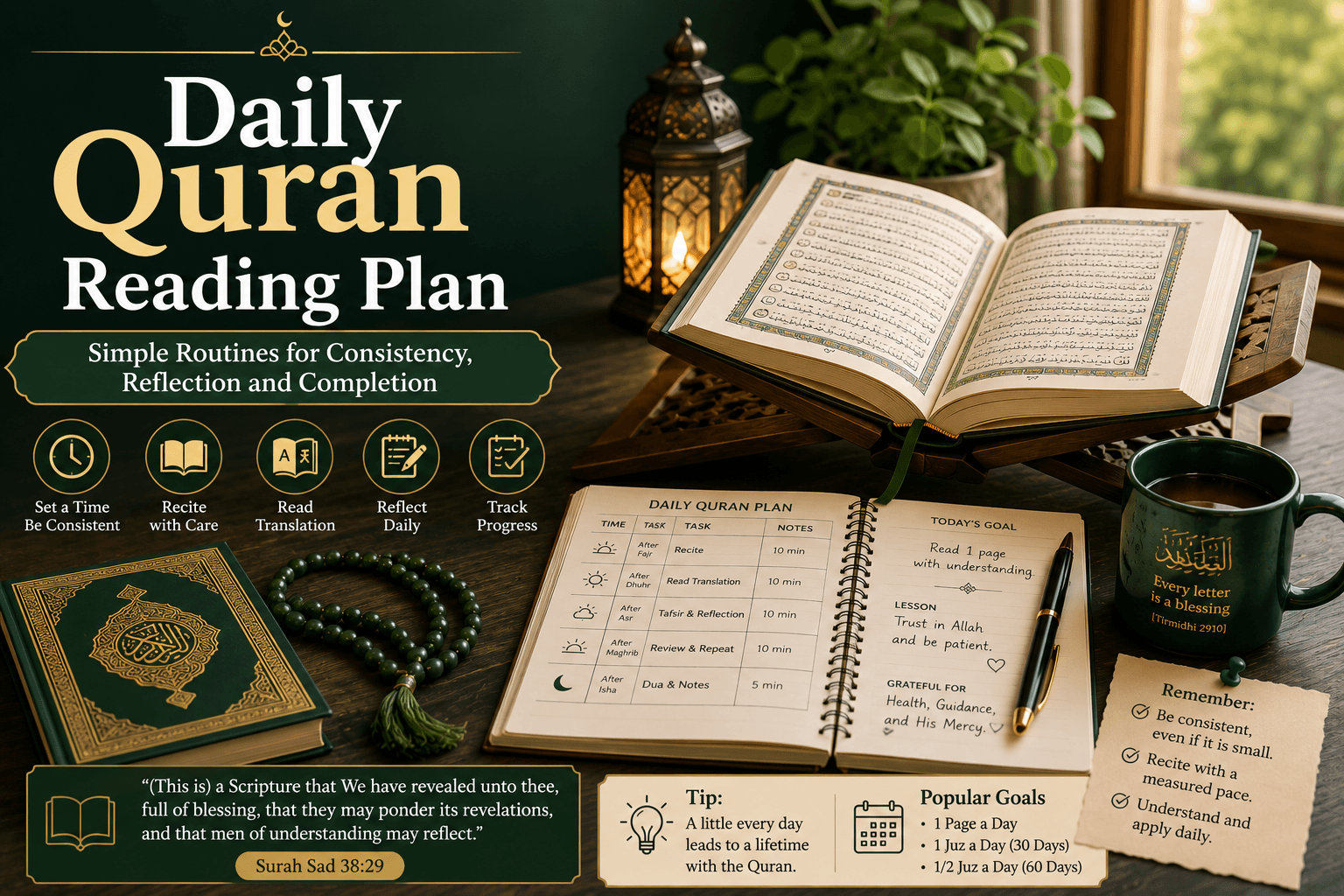
Create a realistic daily Quran reading plan with flexible 10, 20, and 30-minute routines, measured recitation, translation, reflection, and achievable completion goals.